Lake Austin Waterfront Home Inspections & Due Diligence: What Buyers Should Check Before Closing
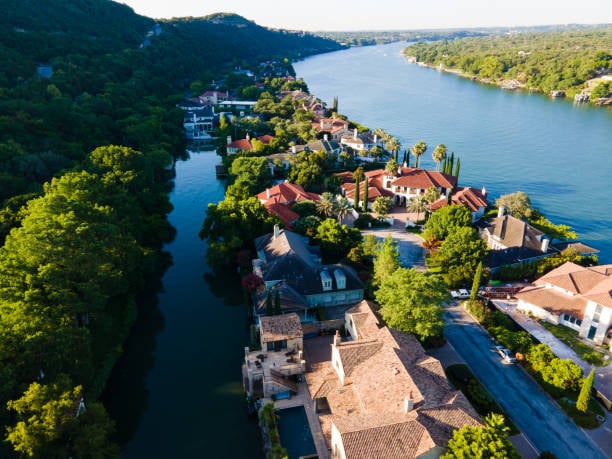
Buying a Lake Austin waterfront home requires a different level of due diligence than buying a typical house in Austin.
The residence still matters, of course. You want to understand the roof, foundation, HVAC, plumbing, electrical systems and everything else you would investigate in another home.
But on Lake Austin, the property does not stop at the back door.
The dock, shoreline, bulkhead, slope, drainage, floodplain, permits, trees, water access and even the relationship between the house and the lake can all affect how the property functions and what you may be able to do with it in the future.
That is why I don't think of a Lake Austin inspection as simply a home inspection.
I think of it as an investigation of the entire property.
-Why Lake Austin Waterfront Due Diligence Is Different
Waterfront homes often contain several layers of value.
You are buying:
The house
The lot
The shoreline
The view
Water access
Existing waterfront improvements
The dock
Privacy
Location along the lake
The ability to use and potentially improve the property
Those pieces do not always move together.
A spectacular house can sit on difficult waterfront.
An older house can occupy an exceptional lot.
A beautiful dock can have repair or permitting issues.
A property that looks straightforward in photographs can become considerably more complicated once you begin studying the land.
The purpose of due diligence is not to find reasons not to buy.
It is to understand what you are actually buying.
-Start With the House — But Don't Stop There
A professional home inspection is still the starting point.
Depending on the property, a buyer may want appropriate professionals to evaluate:
Foundation and structure
Roof
Electrical systems
Plumbing
HVAC
Pools and spas
Exterior drainage
Retaining structures
Specialty systems
Generators
Elevators
Outdoor kitchens
Smart-home systems
Luxury Lake Austin properties can have considerably more equipment and infrastructure than a conventional house.
More systems mean more things to understand.
And an expensive home is not automatically a problem-free home.
Sometimes highly customized properties require even more attention because systems have been added, changed or expanded over many years.
-Inspect the Boat Dock Separately
For a serious waterfront buyer, the dock deserves its own evaluation.
I would not assume that a standard home inspection fully addresses the dock, lift, shoreline and related structures.
Depending on the property, I would want qualified professionals to look at items such as:
Pilings
Structural framing
Decking
Roof
Fasteners
Corrosion
Boat lifts
Electrical service
Lighting
Slip dimensions
Water depth
Bulkheads
Shoreline condition
The City of Austin treats docks, boat slips, lifts, bulkheads, piers and other shoreline structures as regulated waterfront improvements. Construction, significant modification and some repairs can require City review, permits or an approved site plan or exemption.
That makes the physical condition only one part of the investigation.
The paperwork matters too.
See Lake Austin Boat Docks Explained
-Verify the Dock's Permit History
A dock can look perfectly functional and still raise questions about what was originally approved or what has been modified since.
Before closing, I would want to understand:
When was the dock built?
Are permits available?
Do the current improvements resemble the approved plans?
Were later modifications permitted?
Was a boat lift added later?
Has electrical work been updated?
Is the dock properly registered and addressed?
Have bulkhead or shoreline repairs been completed?
Austin provides public permit-search resources as well as its Property Profile tool for researching property information and permit history.
I would rather identify a discrepancy during due diligence than discover it when an owner later wants to repair or modify the dock.

-Look Closely at the Shoreline and Bulkhead
The dock tends to get the attention because it is visible and fun.
The shoreline may be more important.
I would look at:
Erosion
Bulkhead condition
Retaining walls
Soil movement
Drainage
Stairs
Shoreline access
Vegetation
Evidence of previous repairs
Areas where water appears to collect
The question is not simply whether the shoreline looks attractive.
It is whether it appears stable and how the waterfront has been maintained.
If something looks questionable, this is where an engineer or other qualified professional may become more important than another visual inspection.
-Water Depth and Actual Lake Access Matter
A private dock is valuable only if it works for the buyer's intended use.
I want to understand:
Water depth around the dock
Boat access
Slip dimensions
Lift capacity
Navigation
Sediment
Ease of boarding
Swimming access
How the shoreline changes immediately around the dock
A buyer planning to use a wake boat may evaluate a dock differently from someone primarily interested in paddleboarding or swimming.
"Private boat dock" is a useful listing feature.
It is not a complete description of the waterfront.
-Study the Floodplain and Elevation
Lake Austin is managed as a relatively constant-level lake under ordinary conditions, but that should never replace floodplain due diligence.
The City of Austin notes that every lake and creek has a floodplain and maintains its own regulatory floodplain information through FloodPro. Austin's regulatory mapping can also differ from the FEMA map used for federal flood-insurance purposes.
For a waterfront buyer, I would want to know:
What portion of the lot is within the floodplain?
Is the residence affected?
Where is the lowest finished floor?
Is an elevation certificate available?
What does FEMA show?
What does FloodPro show?
Have lower portions of the property experienced flooding?
A floodplain line crossing the shoreline does not necessarily mean the house itself has the same exposure.
That is why the property needs to be evaluated specifically.
See Lake Austin Floodplain & Flood Insurance Guide
-Drainage Can Be Easy to Overlook
Waterfront buyers naturally look toward the lake.
I also look uphill.
Where does water go when Austin gets several inches of rain?
How does it move around the house?
Are there retaining walls?
Does water cross the driveway?
Are there visible drainage systems?
Does runoff move toward the structure before eventually reaching the lake?
Topography can be beautiful.
It can also create drainage challenges.
A dry sunny showing does not necessarily tell you how a property behaves during a Central Texas storm.
-Review the Survey Carefully
On an expensive Lake Austin property, the survey deserves more than a quick glance.
Depending on the property, it can help identify:
Property boundaries
Easements
Encroachments
Structures
Shoreline relationships
Access
Improvements
Utility easements
Building setbacks
A fence, retaining wall, driveway, dock approach or other improvement may not sit exactly where a buyer assumes it does.
If something on the survey is unclear, that is a question for the appropriate title, survey, legal or engineering professional before closing.
The goal is clarity.
-Research the Property's Permit History
Older Lake Austin homes can have decades of additions and improvements.
That is part of their character.
It can also make the development history important.
I would want to investigate major work involving things such as:
Additions
Remodels
Pools
Guest houses
Retaining walls
Docks
Bulkheads
Electrical work
Major structural changes
The City of Austin's public tools can provide zoning, property and permit information, although the City notes that some records may not reflect the most recent changes.
A permit history is not a substitute for an inspection.
An inspection is not a substitute for permit research.
They answer different questions.
-Future Plans Should Be Investigated Before You Buy
This is one of the most important pieces of advice I can give a Lake Austin buyer.
If the property only works for you if you can:
Add substantial square footage
Replace the house
Build a guest house
Reconfigure the dock
Add a larger pool
Expand outdoor living
Alter the shoreline
Significantly change the site
then investigate those plans before you assign value to them.
Waterfront development can involve zoning, floodplain, environmental, shoreline, tree, drainage and other development requirements. The City also specifically regulates construction on, under or adjacent to Lake Austin.
A rendering of what you would like to build is not the same thing as knowing it can be approved.
I would rather buy a property because the property works today and view future improvements as additional opportunity.

-Trees and Topography Can Affect the Property
Mature trees are one of the things that can make Lake Austin properties extraordinary.
They also become part of the development equation.
Large trees, steep terrain and waterfront slopes can influence:
Construction access
Building placement
Views
Drainage
Outdoor living areas
Future additions
Landscaping
This is another reason two neighboring lots can have very different development potential even though they appear similar on a map.
-Insurance Should Be Investigated Early
I would not wait until the final days before closing to obtain insurance information on a Lake Austin home.
Depending on the property, buyers may need to consider:
Homeowners insurance
Flood insurance
Replacement-cost coverage
High-value-home insurance
Watercraft coverage
Liability
Pools
Guest structures
Other specialized property features
The important number is not necessarily what the seller currently pays.
The important number is what you can obtain for the property under your ownership.
Insurance availability and cost are part of the real cost of owning the home.
-Don't Ignore the Approach From the House to the Water
Aerial photography can make every Lake Austin property look connected to the lake.
Standing there can tell a different story.
How do you actually get from the house to the dock?
Is it:
A level walk?
A gentle path?
Several flights of stairs?
A steep hillside?
An elevator or tram?
A long distance from the primary living areas?
None of those is automatically bad.
But they create different lifestyles.
A buyer who expects children and guests to move constantly between the house and water may evaluate that very differently from someone looking primarily for views and privacy.
-What I Notice When Walking a Lake Austin Property
I usually try to stop thinking like someone touring a beautiful house and start thinking like an owner.
Where will people actually spend their time?
How easy is it to reach the water?
What happens when it rains?
What condition is the shoreline in?
What does the dock look like up close?
What do neighboring properties tell us?
What appears original?
What appears to have been added?
Where might future maintenance become expensive?
Then I go back inside and look at the house again.
That second walk-through is often more informative than the first.
-Waterfront Due Diligence Is About Connecting the Pieces
The inspection report may identify one issue.
The survey may identify another.
Floodplain information may raise another question.
Permit records may explain something you noticed at the dock.
None of those documents should necessarily be viewed in isolation.
The important part is understanding how they fit together.
That is where good representation matters.
My role is not to pretend to be the engineer, inspector, surveyor, attorney or insurance professional.
My role is to recognize where questions need to be asked, help coordinate the investigation and make sure the buyer has the information needed to evaluate the property intelligently.
-What Sellers Can Do Before Listing
Sellers of Lake Austin waterfront homes can make the process easier by preparing documentation before the first serious buyer begins asking questions.
Useful information may include:
Current survey
Dock permits
Dock registration
Building permits
Architectural plans
Remodel records
Engineering reports
Bulkhead or shoreline work
Boat-lift information
Elevation certificate
Flood documentation
Insurance information
Major repair invoices
A sophisticated buyer is going to investigate the property.
Having clear documentation can help turn uncertainty into confidence.

-Lake Austin Waterfront Due-Diligence Checklist
Before closing on a waterfront home, I would consider investigating:
General home inspection
Foundation and structural condition
Roof and major mechanical systems
Pool and specialty systems
Boat dock structure
Boat lifts and electrical systems
Dock permits and registration
Water depth and boat access
Bulkhead and shoreline condition
Drainage and erosion
FEMA flood-zone information
City of Austin FloodPro information
Elevation certificate, if applicable
Current survey
Easements and encroachments
Property permit history
Major additions and renovations
Insurance availability and cost
Access between the house and waterfront
Feasibility of any future improvements important to the buyer
Not every property requires every specialist.
But Lake Austin is a market where knowing which questions to ask can be just as important as knowing the asking price.

-Frequently Asked Questions
Does a normal home inspection include a Lake Austin boat dock?
It depends on the inspector and scope of the inspection. Buyers should confirm exactly what is included and consider a qualified specialist when the dock, lifts, electrical systems, bulkhead or other waterfront improvements require additional expertise.
Should I check permits before buying a Lake Austin home?
Yes. Permit history can be particularly important when a property has undergone additions, major renovations, dock work or shoreline improvements. Austin provides public permit-search and property-information tools.
Should a Lake Austin boat dock be inspected?
For buyers who consider the dock an important part of the property's value, its structural condition, lift equipment, electrical systems and related waterfront improvements deserve appropriate investigation.
How can I check whether a Lake Austin property is in a floodplain?
The City of Austin provides FloodPro for local regulatory floodplain information. FEMA flood maps should also be considered because the two serve different purposes.
Does Lake Austin waterfront mean the water is deep enough for my boat?
Not necessarily. Water depth and dock usability can vary by property and should be evaluated if boating is important to the purchase.
Can I assume I can remodel or expand a Lake Austin home?
No. If future construction is essential to the purchase, buyers should investigate zoning, floodplain, shoreline, environmental, tree and other applicable development requirements before closing.
Can I replace or enlarge an existing dock?
Possibly, but the City regulates new construction and significant changes to waterfront structures. Existing improvements should not be interpreted as automatic approval for future expansion.
Should I get an insurance quote before buying?
Yes. The buyer should determine the availability and cost of appropriate coverage rather than relying solely on the seller's existing insurance costs.
Does a Lake Austin property need an elevation certificate?
Not every property will. But an existing elevation certificate can be useful when evaluating floodplain conditions, and FloodPro can provide access to certain elevation-certificate information.
What is the biggest mistake buyers make with Lake Austin due diligence?
Focusing so heavily on the house that they postpone investigating the land, shoreline, dock, permits and future-use limitations until after the option or due-diligence period.
-Lake Austin Waterfront Inspections: The Bottom Line
A Lake Austin waterfront home should be evaluated as an entire property.
The house matters.
So do the land, dock, shoreline, water, elevation, permits, drainage and what the owner may want to do with the property later.
The objective is not to make a waterfront purchase unnecessarily complicated.
It is to uncover the complexity that already exists before you own it.
For me, that's what good due diligence is supposed to do: replace assumptions with information so a buyer can make a confident decision.
-Continue Exploring Lake Austin Real Estate
-Work With Scott Pate
Buying a Lake Austin waterfront home requires more than identifying a beautiful property.
I help buyers evaluate the house, land, waterfront, competition and questions that need to be answered before closing—then coordinate with the appropriate inspectors and professionals when specialized expertise is needed.
For sellers, I help identify and organize the information serious waterfront buyers are likely to request so the property's strengths can be presented clearly and confidently.
If you're considering buying or selling on Lake Austin, let's understand the entire property before making the decision.