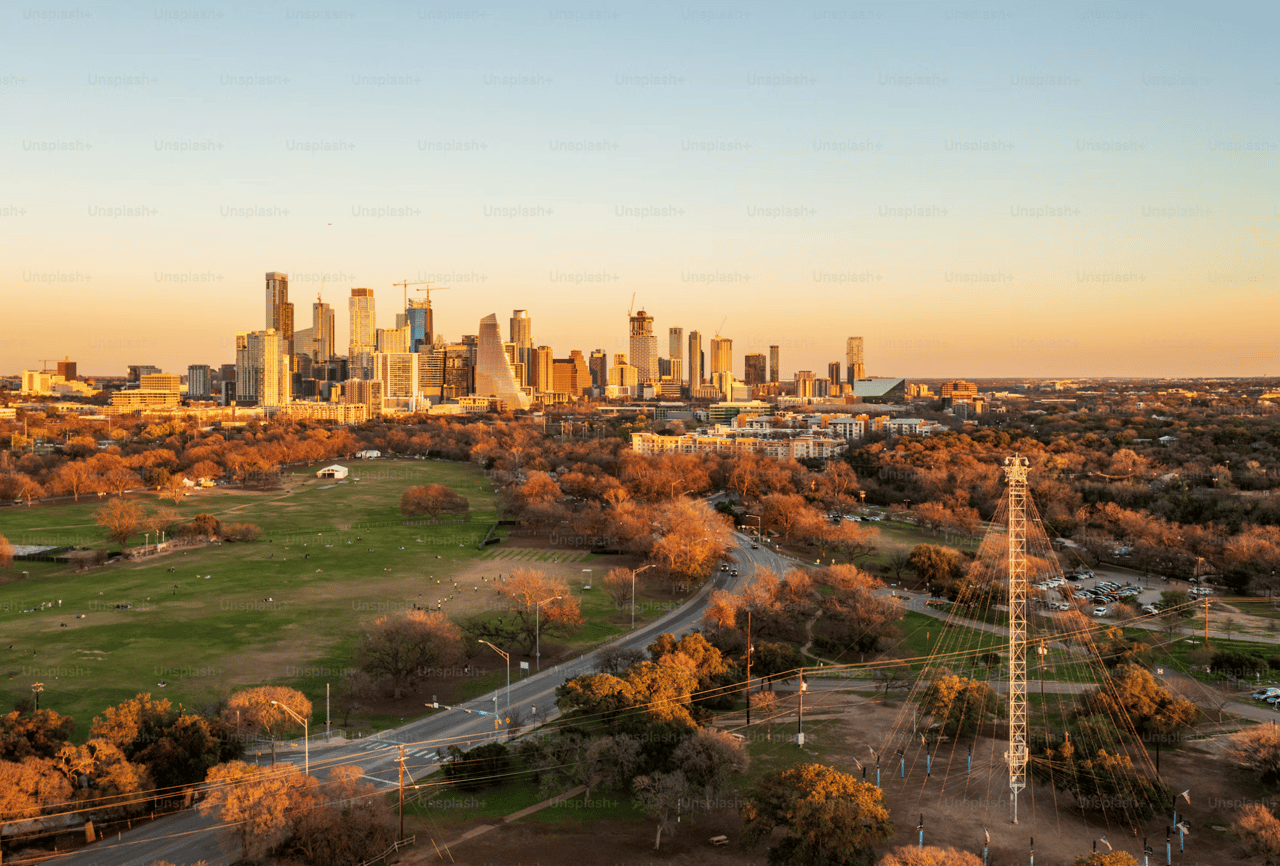
Ever wonder what your days would actually look like in a Downtown Austin high-rise condo? It is easy to picture skyline views and sleek amenities, but daily life here is about more than the view from your balcony. If you are weighing a move downtown, this guide will help you understand the rhythm, convenience, tradeoffs, and lifestyle that come with condo living in Austin’s urban core. Let’s dive in.
Downtown Austin Feels Active by Design
Downtown Austin is not a quiet pocket that simply happens to have condos. It is the city’s largest employment center and a growing residential district, with about 13,976 residents, 131,775 employees, 745 storefront businesses, and 14,164 residential units in 2025-26. That mix shapes the experience of living here every day.
In practical terms, you are living in a place where residents, office workers, visitors, and businesses all share the same streets. That creates a setting that feels energetic, convenient, and highly mixed-use. You can step outside for coffee, errands, dining, or a walk, often without needing to plan your day around a car.
The City of Austin’s Downtown Austin Plan also helps explain why this lifestyle feels different from many other parts of the city. Downtown is intended to be dense, livable, and connected, with streets, parks, public spaces, and transportation options designed to work together. The Great Streets Program reinforces that pedestrian-first approach, followed by transit, bicycles, and automobiles.
High-Rise Living Means Shared Management
One of the biggest shifts in condo ownership is how the property is managed. In Texas, a downtown condo is typically governed by a condominium unit owners’ association, which manages the common elements outside individual units. That usually includes shared building components and amenities rather than each owner handling those responsibilities alone.
For you, that often means less exterior maintenance than a detached home. You are not typically worrying about the building exterior, shared hallways, or common spaces in the same way a single-family homeowner would. Instead, those items are managed collectively through the association.
That convenience comes with monthly dues and building rules. Texas guidance notes that common expenses and reserves are allocated across owners, and dues commonly support things like common areas and operations. In a downtown high-rise, that structure can feel efficient and streamlined, but it is still important to understand what the association covers and how the building is run.
Amenities Shape the Daily Experience
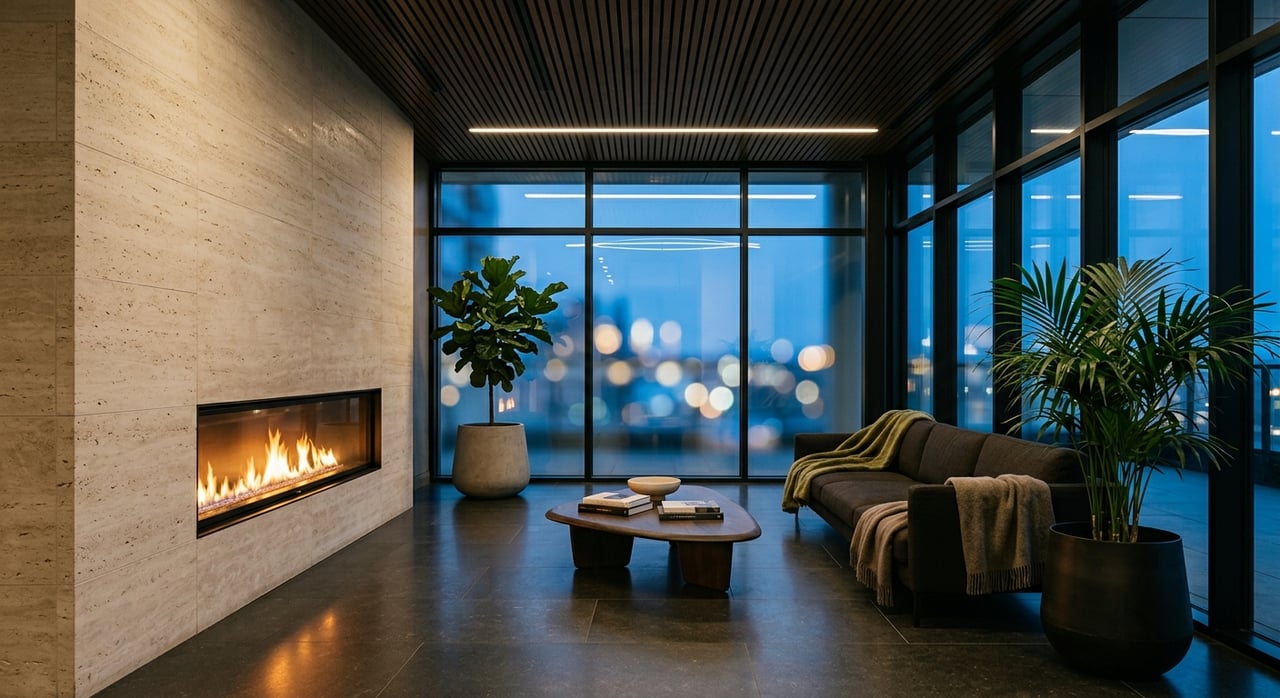
Amenities are a major part of what makes downtown condo life appealing. While every building is different, many Austin high-rises are marketed with features such as rooftop or lap pools, fitness studios, resident lounges, co-working areas, private lobbies, concierge service, pet areas, and controlled-access parking. These features are not universal, but they often define the building’s personality.
For some buyers, amenities are not just perks. They shape routine. A fitness studio downstairs can change how easily you fit in a workout, while a co-working lounge can make remote work more flexible. A private lobby or concierge desk can also create a more structured arrival experience each day.
Downtown also benefits from district-level services that add to the sense of support. The Downtown Austin Alliance says more than 60% of its annual budget goes toward clean, safe, and welcoming services, and its ambassadors work from 6 a.m. to 11 p.m. Their work includes cleaning, beautification, information, safety escorts, and practical help.
Walking Is Part of Everyday Life
For many residents, one of the biggest benefits of living downtown is how easy it is to step outside and move through the city on foot. Downtown Austin is intentionally designed to be street-oriented and pedestrian-friendly. That can make even simple daily routines feel easier.
You may walk to grab coffee, pick up dinner, meet friends, or head to the office. Short trips often feel more natural when storefronts, sidewalks, and public spaces are closely connected. In many cases, convenience is not about saving a few minutes. It is about having more options within reach.
This is one reason downtown living appeals to buyers who want a more flexible routine. Instead of building your day around driving from one destination to another, you can often stack errands, recreation, and social plans into a smaller area. That can make the day feel more efficient and spontaneous.
The Butler Trail Is a Major Lifestyle Perk
The Ann and Roy Butler Hike-and-Bike Trail at Lady Bird Lake is one of the strongest lifestyle advantages of living downtown. The 10-mile loop sits in the heart of Austin and sees more than 2.6 million visits a year. The City describes it as both a recreation asset and an alternative transportation route for the urban core.
That matters because it gives downtown residents easy access to outdoor time without a major commute. A morning run, an evening walk, or a quick reset by the water can become part of your normal schedule. For many people, that access is one of the most valuable parts of living in the center of the city.
Lady Bird Lake also adds options beyond the trail itself. The reservoir supports water access and rentals, so some residents build their routines around paddling or waterfront walks. Nearby public spaces, including Republic Square, also help make downtown feel more livable, not just busy.
Parks and Public Spaces Keep Evolving
Downtown Austin is still changing, and that includes its outdoor spaces. The Urban Trails Plan outlines a 268-mile proposed urban trail network across Austin, while downtown projects tied to the Waller Creek District and Waterloo Greenway are adding shade, boardwalks, trees, and stronger park connections in the core. These improvements support a more connected outdoor experience over time.
At the same time, it is helpful to keep expectations realistic. Downtown is an evolving urban core, and that means the streetscape is not static. New towers, infrastructure work, and public-space improvements can bring long-term benefits, but they can also create short-term disruption.
The Waller Creek Tunnel has reduced flood risk along that corridor, though creek-side trails can still flood during heavy rain. For residents, that is a reminder that downtown outdoor living is convenient and attractive, but still shaped by weather, construction, and active infrastructure work.
Transit Adds Flexibility
Living downtown can also make transportation feel simpler. CapMetro says its bus network connects Austin with Rail and other services, MetroRapid routes run every 10 to 30 minutes, and Night Owl routes operate from midnight to 3 a.m. That gives downtown residents more ways to get around without relying only on a car.
The downtown rail station at 4th and Neches links rail with bus service, scooters, and bicycle trails. If you work downtown or spend a lot of time in central Austin, that connectivity can make daily planning easier. It can also be helpful for evenings out, events, or airport-area connections through the broader transit system.
Of course, many downtown residents still keep a car. The City notes that downtown has about 3,000 public parking spaces, so driving remains part of the mobility picture too. The key advantage is optionality, which is something many buyers value when comparing urban living with more car-dependent areas.
A Realistic Weekday Downtown
If you are trying to picture the flow of daily life, a typical weekday might look something like this:
- Morning: Walk or run on the Butler Trail, then stop for coffee before work.
- Midday: Handle lunch, errands, or meetings on foot in a pedestrian-oriented district.
- Evening: Meet friends for dinner, enjoy live music or an event, then head home by foot, rideshare, or transit.
That routine will vary by building, work schedule, and lifestyle, but the overall pattern is consistent. Downtown gives you the ability to do more within a compact area. For many buyers, that convenience becomes one of the strongest reasons to choose a high-rise condo.
The Tradeoffs Are Real
Downtown condo living offers convenience and lower day-to-day property maintenance, but it is not the right fit for everyone. The tradeoff is that you live closer to noise, event traffic, deliveries, and ongoing construction. The Downtown Austin Alliance’s 2026 report notes that downtown is in a period of extensive infrastructure construction and is working through accessibility and growth challenges as the district evolves.
You should also expect a more active environment in general. Downtown sees large numbers of visitors and remains a major destination for business, events, and tourism. That can make the area feel lively and well-used throughout the day, not just at night.
For some buyers, that energy is exactly the point. For others, it may feel like too much activity compared with a detached-home setting. The best choice often comes down to whether you value walkability, amenities, and flexibility more than privacy, storage, and a quieter routine.
Who Downtown Condo Living Fits Best
This lifestyle is often a strong match if you want convenience, access, and low-maintenance ownership. Buyers who enjoy being close to trails, dining, offices, events, and transit often appreciate what downtown offers. It can also be appealing if building amenities play an important role in how you want to live or work.
It may be a weaker fit if you want a yard, more private outdoor space, or the feel of a detached-home routine. Condo ownership also means shared governance and monthly dues, so you need to be comfortable with building rules and collective maintenance structures. Neither approach is better across the board. It is about fit.
If you are comparing downtown with other Austin options, the most important question is not simply whether a condo looks appealing online. It is whether the day-to-day rhythm matches the way you want to live.
Choosing a high-rise condo in Downtown Austin is often less about square footage and more about lifestyle design. If you want experienced guidance on comparing buildings, understanding ownership structure, and finding the right fit for your routine, Scott Pate offers a disciplined, concierge-level approach tailored to Austin buyers and relocations.
FAQs
What is daily life like in a Downtown Austin high-rise condo?
- Daily life often feels convenient, active, and walkable, with easy access to restaurants, offices, parks, trails, events, and building amenities in a dense mixed-use district.
What do condo dues usually cover in a Downtown Austin building?
- Condo dues typically support shared building operations and common areas, with costs allocated across owners based on the association’s budget and common expenses.
Is Downtown Austin condo living walkable?
- Yes. Downtown planning prioritizes pedestrians, and many residents can walk to errands, dining, work, parks, and trail access.
What outdoor options do Downtown Austin condo residents have?
- Residents often use the Ann and Roy Butler Hike-and-Bike Trail, Lady Bird Lake access points, Republic Square, and other evolving park and trail connections in the urban core.
Is transit useful for Downtown Austin condo owners?
- Yes. Downtown has access to CapMetro bus service, MetroRapid, Night Owl routes, and the downtown rail station, which adds flexibility for getting around central Austin.
What are the main tradeoffs of living in a Downtown Austin high-rise condo?
- The main tradeoffs are monthly association dues, building rules, less private outdoor space, and a more active environment with noise, traffic, visitors, and construction.
Who is a good fit for a Downtown Austin condo lifestyle?
- Buyers who value convenience, low-maintenance ownership, amenities, walkability, and access to transit and recreation are often the best fit for this type of home.