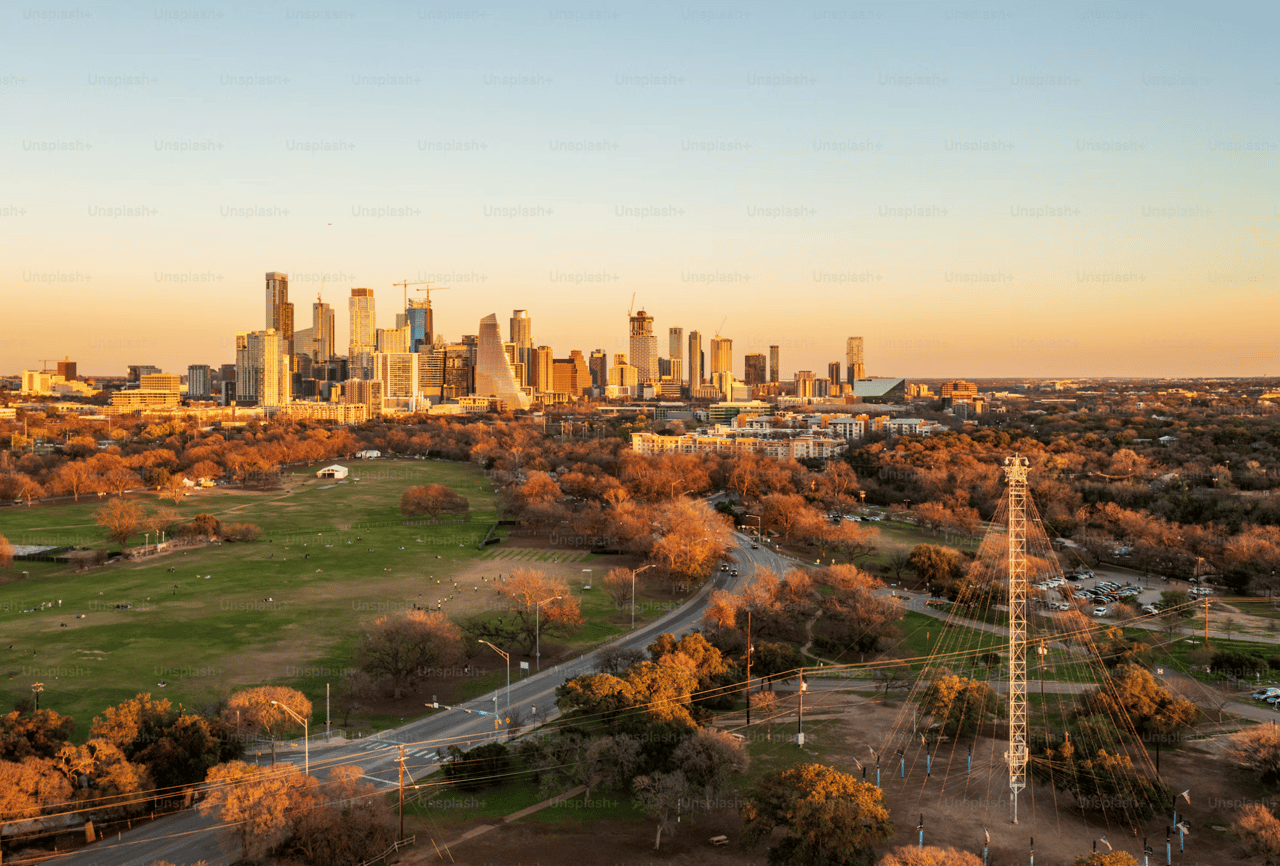
If you want an urban Austin lifestyle, Zilker and Downtown can both look like strong options at first glance. But they offer very different day-to-day experiences, and choosing the right fit depends on how you want to live, move, and invest in your next home. If you are weighing green space against core-city convenience, this guide will help you compare the two with more clarity. Let’s dive in.
Zilker vs. Downtown at a Glance
At the highest level, Zilker is neighborhood-scale living built around major park access, while Downtown is Austin’s dense urban core with the strongest concentration of transit, towers, and daily convenience.
The City of Austin describes Zilker Metropolitan Park as Austin’s oldest metropolitan park, with more than 350 acres at Barton Creek and Lady Bird Lake. That includes Barton Springs Pool, the Ann and Roy Butler Hike and Bike Trail, and major annual events like Austin City Limits Music Festival and Trail of Lights. In practical terms, Zilker feels like a residential area shaped by open space.
Downtown Austin has a different identity. The City’s Downtown Austin Plan centers on a dense, livable pattern of development with multimodal transportation, a green network of trails, and a broad range of housing choices. If Zilker feels park-first, Downtown feels city-first.
What Living in Zilker Feels Like
Zilker tends to appeal to buyers who want an urban address without giving up a more residential setting. You are close to the core, but your surroundings often feel more grounded in neighborhood streets, local movement, and outdoor access.
The park is a real part of everyday life here. Zilker Metropolitan Park, Barton Springs Pool, and the nearby trail system create a rhythm that is hard to replicate in a more vertical district. For many buyers, that makes the area feel active and connected without feeling fully immersed in the downtown pace.
That said, park access comes with tradeoffs. The City notes event-driven traffic and parking controls around Zilker, especially tied to major gatherings in the park. If your ideal weekend includes easy in-and-out driving every time, that is something worth factoring into your decision.
Zilker mobility and access
Zilker supports a fairly walkable, bike-friendly lifestyle, though it is not as transit-rich as Downtown. Walk Score lists Zilker at 75 for walkability, 47 for transit, and 82 for biking.
Transit access is still meaningful, especially along Barton Springs Road. CapMetro directs riders to routes 3, 30, and 803 for Zilker access, and Route 30 travels through the park. If you want options beyond driving, Zilker gives you some flexibility, just not at the same level as the downtown core.
What Living Downtown Feels Like
Downtown Austin is the better match if you want to be in the middle of the city’s most concentrated urban experience. This is where Austin’s vertical housing, mobility network, and dense amenity mix come together most directly.
For many buyers, the biggest draw is convenience. If your office, social plans, dining routine, or entertainment schedule already centers on the core, Downtown can remove a lot of friction from your week. You may not need to plan your lifestyle around a car in the same way you would elsewhere.
Downtown also offers a more building-based way of living. Instead of choosing between blocks with different residential character, buyers are often comparing one tower, condo community, or subdistrict to another. That shifts the search toward building fit, unit layout, amenities, HOA structure, and exact location.
Downtown mobility and access
Downtown is usually the strongest fit for car-light living. Redfin rates Downtown Austin at 90 for walkability, 68 for transit, and 93 for biking, and some individual downtown addresses score as high as 98 or 99 for walkability.
CapMetro’s Downtown Station at 4th and Neches is designed as a mobility hub linking rail riders with buses, bikeshare, scooters, and nearby trails. If seamless movement is a top priority, Downtown has the edge.
Housing Options Look Different in Each Area
One of the biggest mistakes buyers make is assuming Zilker and Downtown offer the same kind of inventory at different price points. In reality, the housing stock is different enough that your preferred home style may point you toward one area before pricing even enters the conversation.
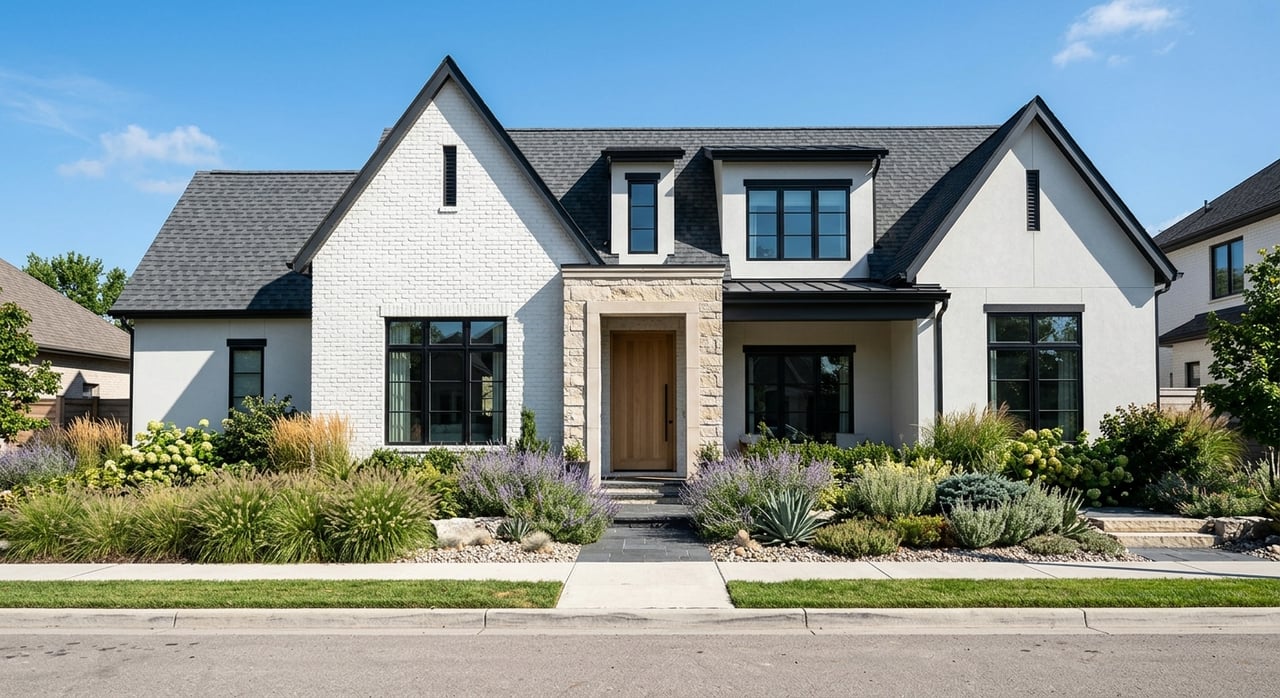
Zilker offers a broader mix. Current market snapshots show detached homes and condo-style listings side by side, which gives buyers more flexibility if they want anything from a lower-maintenance setup to a more traditional residential footprint.
Downtown is much more condo- and loft-oriented. Listings are concentrated in tower and mixed-use environments across streets like Rainey, East Ave, West Ave, Nueces, Brazos, Guadalupe, and 2nd Street. If you know you want a lock-and-leave property, Downtown may immediately feel more aligned.
Why the pricing story is not simple
Headline pricing can be misleading if you compare these areas without context. Redfin’s April 2026 snapshot shows a median sale price in Zilker of $1,291,520, up 23.3% year over year, while Downtown Austin shows a median sale price of $567,289, with homes taking about 114 days to sell.
At first glance, that might suggest Zilker is simply far more expensive. But the product types are different, and so is the way value shows up. Research for 78701 shows a median listing price of $739,900 and a median list price of $807 per square foot, while Downtown subdistricts range widely from about $590,000 in Seaholm to about $1.7995 million in the 2nd Street area.
That contrast matters. Zilker’s higher sold-price snapshot often reflects land value, larger floor plans, or both, while Downtown’s higher per-square-foot story points to premium pricing for central location and vertical living. These are not interchangeable markets.
Which Area Fits Your Lifestyle Goals?
If you are trying to choose between Zilker and Downtown, your daily habits matter more than broad labels. The better question is not which neighborhood is better. It is which one supports the life you actually plan to live.
Zilker is often the stronger fit if you want:
- A more residential setting near central Austin
- Immediate access to major parkland and trails
- A wider mix of housing types
- More interest in outdoor routines and neighborhood feel
- The possibility of a larger footprint than a typical downtown condo
Downtown is often the stronger fit if you want:
- The most central access to work, dining, and entertainment
- A walkable, transit-supported routine
- Lock-and-leave convenience
- A condo or loft lifestyle
- Building amenities and core-city convenience
Neither choice is universally better. A buyer can genuinely love both areas, but for different reasons.
Thinking Long Term About Ownership
Your ideal home base should work not only for your next move, but also for your next few years. That is especially important in micro-markets like Zilker and Downtown, where buyer demand is often tied to lifestyle fit as much as square footage.
For owner-occupants, Zilker can be a cleaner long-term fit when neighborhood character, park adjacency, and a broader mix of detached and low-rise homes are priorities. Downtown can be the cleaner fit when low-maintenance ownership and concentrated mobility matter more.
This is also where nuance matters. Downtown is not one single market, and building selection can shape your experience just as much as the neighborhood label. In Zilker, lot, street, and housing type may carry more weight in the decision.
What to Know About Rental Flexibility
If rental potential is part of your decision, make sure you separate market assumptions from actual rules. Austin’s short-term rental framework changed materially in 2025 and 2026.
According to the City of Austin, short-term rentals are an accessory use to residential uses in all zoning districts when the property has a valid license. Licenses are now valid for two years, and platforms must remove unlicensed listings starting July 1, 2026. The City also requires a local contact in the Austin metro area and ongoing reporting.
This matters in both Zilker and Downtown, but it is especially important in Downtown because so much of the inventory is condo-based. Even if city rules allow licensed short-term rental use, you still need to verify the specific building’s rules and rental permissions at the unit level before making any assumptions.
A Simple Way to Decide
If your ideal Austin life includes morning trail access, a more residential feel, and a home that may offer more land or interior space, Zilker likely deserves a very close look. If your ideal setup is centered on convenience, mobility, and a more vertical lock-and-leave lifestyle, Downtown may be the stronger match.
The right answer often comes down to what you value most on an ordinary Tuesday, not just what feels exciting on a showing tour. When you compare Zilker and Downtown through that lens, the decision usually becomes much clearer.
If you want help narrowing down the right urban home base in Austin, Scott Pate offers disciplined, concierge-level guidance for buying, selling, and relocating with confidence.
FAQs
Is Zilker or Downtown Austin better for walkability?
- Downtown Austin is generally more walkable, with stronger transit access and higher walk, bike, and transit scores than Zilker.
Is Zilker or Downtown Austin more expensive to buy in?
- It depends on how you measure value. Recent data shows Zilker with a higher median sale price overall, while Downtown 78701 shows higher list pricing per square foot.
What kind of homes can you find in Zilker Austin?
- Zilker offers a mix of detached homes and condo-style properties, giving buyers more variety in housing type than Downtown.
What kind of homes can you find in Downtown Austin?
- Downtown is much more condo- and loft-oriented, with many options in towers and mixed-use residential buildings.
Can you use a Zilker or Downtown Austin home as a short-term rental?
- Possibly, but you need to verify both City of Austin licensing requirements and any property-specific or building-specific rental rules before you buy.
Is Zilker or Downtown Austin better for commuting without a car?
- Downtown is usually the easier choice for car-light living because of its concentrated transit options, mobility hub access, and stronger walkability.