Ever wonder what Austin feels like when your day is not built around finding parking, sitting in traffic, or planning every errand by car? If you are considering a move to Downtown Austin, that question matters more than ever. A car-light lifestyle is not the right fit for everyone, but in the urban core, it can be a practical and appealing way to live. Let’s take a closer look at what that actually means day to day.
Why Downtown Austin Works Car-Light
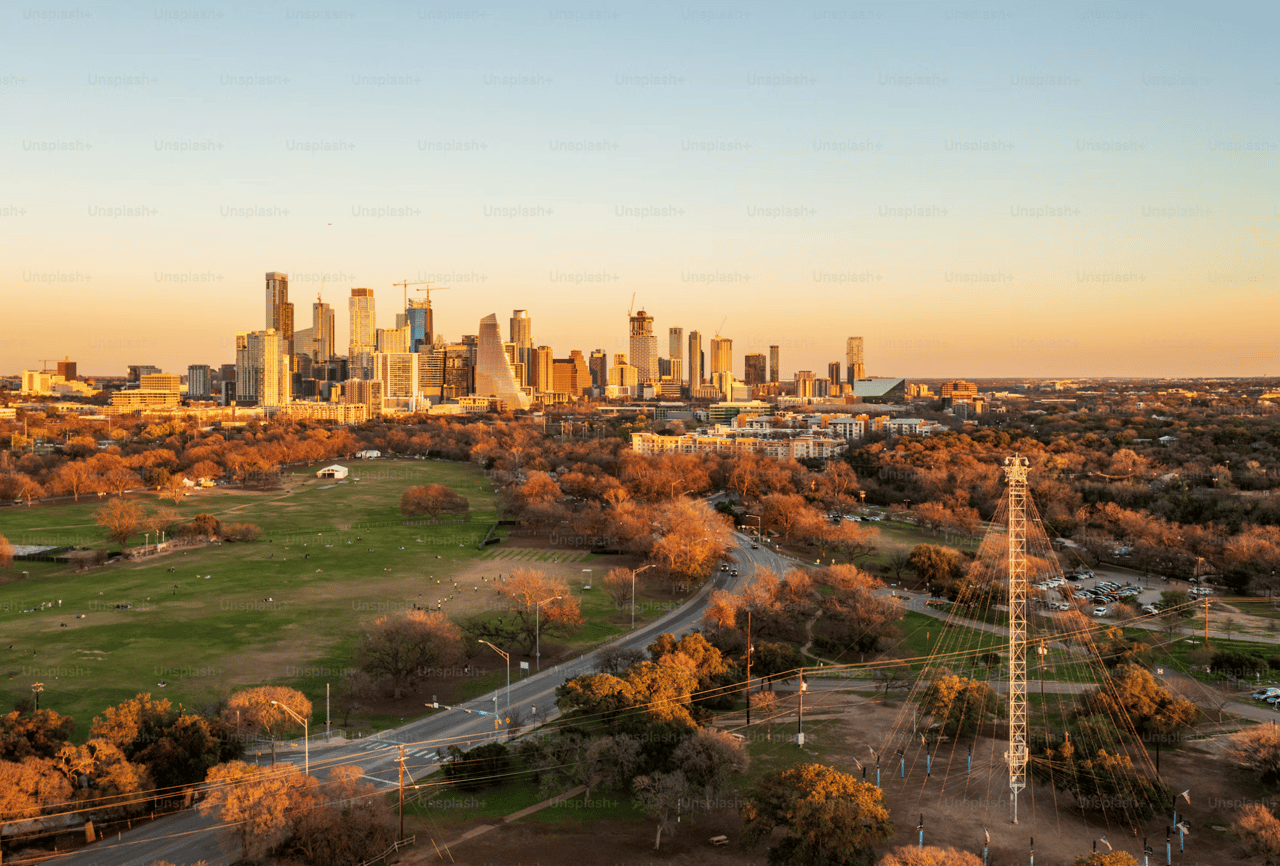
Downtown Austin is one of the most realistic places in the city to live with less dependence on a car. Redfin currently gives Downtown Austin a 90 Walk Score, a 68 Transit Score, and a 93 Bike Score. Those numbers reflect a part of the city where many daily needs sit within a compact area.
The scale of downtown also supports that pattern. According to the Downtown Austin Alliance’s 2025–26 annual report, downtown includes 13,976 residents, 131,775 employees, 745 storefront businesses, and 14,164 residential units. It is also Austin’s largest employment center and the center of city and state government.
In practical terms, that means your routine can often happen within a few blocks. Coffee, lunch, meetings, fitness, entertainment, and quick errands are often close together. Instead of structuring your day around long drives, you are more likely to string together short trips on foot, by bike, or with transit.
What Getting Around Looks Like
Walking for Daily Trips
Walking is a real transportation option in downtown, not just a weekend activity. Many residents can handle short errands, restaurant visits, work commutes, and social plans on foot because of how closely homes, offices, and storefronts are packed together.
The Ann and Roy Butler Hike-and-Bike Trail adds another layer to that lifestyle. Austin Parks and Recreation says the 10-mile loop at Lady Bird Lake serves as an alternative transportation route for the urban core, and it sees more than 2.6 million visits a year. The Boardwalk section is open daily from 5 a.m. to midnight.
If you use the trail often, it helps to know there are active route changes. As of June 2026, the city says part of the north-shore trail is rerouted near the Confluence and the Austin Rowing Club building through March 2027 for underground electrical work. That does not change the value of the trail, but it does mean you may need to adjust your route.
Biking and Bikeshare
Biking can fill the gap between a short walk and a longer cross-downtown trip. CapMetro Bikeshare includes more than 80 stations and more than 500 e-bikes across Austin, with stations highly concentrated downtown. For residents who want flexibility without storing a personal bike, that can be a very useful middle ground.
CapMetro also supports bike-and-transit trips. Buses have bike racks, and rail trains have four bike racks each. If your destination is a little farther than you want to walk, biking can make a car-light routine much easier.
Transit and Late-Night Options
Transit matters most when your routine stretches beyond a few downtown blocks. CapMetro’s Rapid network includes routes 801, 803, and 837, all serving downtown Austin. The Red Line also connects Downtown Station at 4th and Neches with 10 stations running up to Leander.
That setup can work especially well if you commute between downtown and the northwestern suburbs. CapMetro also says Red Line service runs until after midnight on Friday and Saturday nights between downtown and Leander. For evenings out, that gives you another option beyond driving yourself.
Rideshare When You Need It
Even people who live car-light usually do not live car-free every single day. Rideshare can help with larger grocery runs, late-night trips, weather changes, or days when construction affects your normal route.
The Downtown Austin Alliance notes that Lyft, Uber, Waymo, and zTrip all help people reach and leave downtown without parking. That kind of backup matters because it gives you flexibility without requiring you to own a car just for occasional use.
How Daily Errands Actually Happen
Grocery Runs in Real Life
Grocery shopping is one of the first things buyers ask about when they picture a car-light routine. In Downtown Austin, smaller and more frequent runs are often the easiest fit. Royal Blue Grocery describes itself as a compact urban market with grab-and-go food, pantry staples, coffee, and household basics, and it has six locations in Downtown Austin.
That setup works well for top-off shopping. You can grab a few items on the way home, restock basics during the week, or handle a quick breakfast or lunch run without turning it into a major errand.
For larger stock-up trips, nearby full-service stores are part of the picture. Whole Foods Market has nearby stores at 525 N Lamar Blvd and 901 E Fifth St, and H-E-B’s SoCo store is at 2400 S Congress Ave. For many downtown residents, that means small trips happen on foot or by bike, while bigger grocery hauls are more likely to involve rideshare, transit, or a short drive.
Dining, Coffee, and Entertainment
One of the biggest advantages of downtown living is how easy it can be to build leisure into your normal routine. The City of Austin says the 2nd Street District was developed as a dense, walkable urban experience and now contains more than 3,000 office and retail jobs. That is a strong example of how downtown blends workday needs with after-hours activity.
The Downtown Austin Alliance also describes downtown as a place where music, restaurants, bars, shops, and parks are part of the everyday mix. Its annual report highlights the Red River Cultural District as Austin’s largest concentration of live music venues. If you enjoy being able to step out for dinner, meet friends, or catch live music without planning a drive home, downtown offers that convenience in a way many Austin neighborhoods do not.
Fitness and Outdoor Time
A car-light lifestyle works better when exercise is already close by. Life Time Austin-Downtown, located at 907 W 5th St, offers a full club format with classes and fitness programming. That gives residents a structured indoor option in the core.
Outdoors, Republic Square and the Butler Trail create easy access to movement and fresh air. Instead of getting in the car to reach a gym or park, you can often fit a walk, run, or bike ride into the natural flow of your day. For many buyers, that convenience becomes one of downtown’s biggest quality-of-life advantages.
What a Typical Day Can Feel Like
A car-light life in Downtown Austin is often shaped by rhythm more than distance. You might start the morning with a short walk for coffee, head to work on foot, by bike, or via transit, and pick up a few groceries on the way home. After work, a trail run, a fitness class, dinner nearby, or a night out can happen without much extra planning.
That rhythm is supported by the scale of downtown itself. The Downtown Austin Alliance says the area has nearly 14,000 residents and more than 131,000 employees, which helps explain why the neighborhood stays active throughout the day and into the evening. Downtown does not feel like a district that shuts down after office hours.
Its employment mix also adds to that energy. The Downtown Austin Alliance identifies major clusters in business services, public administration, professional and technical fields, food and accommodation, health care and social services, and government-related offices. In simple terms, that creates a steady workday pulse with plenty of spillover into dining, retail, and after-work activity.
What Buyers Should Keep in Mind
Car-Light Is Not Car-Free for Everyone
A car-light lifestyle means you use your car less, not necessarily never. For many people, downtown can support most daily tasks without driving. That said, larger shopping trips, regional appointments, or plans outside the core may still be easier with occasional rideshare or access to a car.
The key is knowing your own habits. If you want a neighborhood where many basics are within reach and alternatives to driving are built into daily life, downtown stands out in Austin. If your routine depends on frequent cross-city travel, the fit may feel different.
Construction and Route Changes Matter
Downtown is active, and that includes infrastructure work. The Downtown Austin Alliance says construction on Congress Avenue began in early 2026 and will continue through summer 2027. The city also notes the current north-shore Butler Trail reroute through March 2027.
That does not erase the benefits of living downtown, but it does call for flexibility. The most satisfied residents tend to be those who are comfortable checking routes, adjusting plans, and using a mix of walking, biking, transit, and rideshare as conditions change.
Is Downtown Austin Right for You?
If you value convenience, walkability, and the ability to connect work, errands, recreation, and social plans within a compact area, Downtown Austin offers one of the strongest car-light lifestyles in the city. The numbers support it, and the day-to-day setup supports it too.
For condo buyers, relocating professionals, and anyone drawn to a more streamlined urban routine, this part of Austin can offer a lifestyle that feels both efficient and energizing. The best fit comes down to how you want your days to function, not just where you want to live.
If you are weighing whether Downtown Austin aligns with your lifestyle goals, Scott Pate offers a disciplined, concierge-level approach to help you evaluate the right building, block, and long-term fit.
FAQs
Can you live without a car in Downtown Austin?
- For many daily tasks, yes. Downtown Austin’s walkability, bikeshare access, transit options, and dense mix of businesses make car-light living realistic for many residents.
What are the best ways to get around Downtown Austin without driving?
- Most residents use a mix of walking, biking, CapMetro Rapid buses, the Red Line, and rideshare depending on the trip and time of day.
Where do Downtown Austin residents buy groceries?
- Quick grocery trips often happen at Royal Blue Grocery’s downtown locations, while larger shopping trips are more likely to involve nearby full-service stores such as Whole Foods Market or H-E-B.
Is Downtown Austin good for biking?
- Yes. Redfin gives Downtown Austin a 93 Bike Score, and CapMetro Bikeshare has a strong station presence downtown with e-bikes available across the area.
What should buyers know about Downtown Austin construction impacts?
- Buyers should expect occasional route changes and detours, including current Congress Avenue construction and a north-shore Butler Trail reroute that the city says is in place through March 2027.