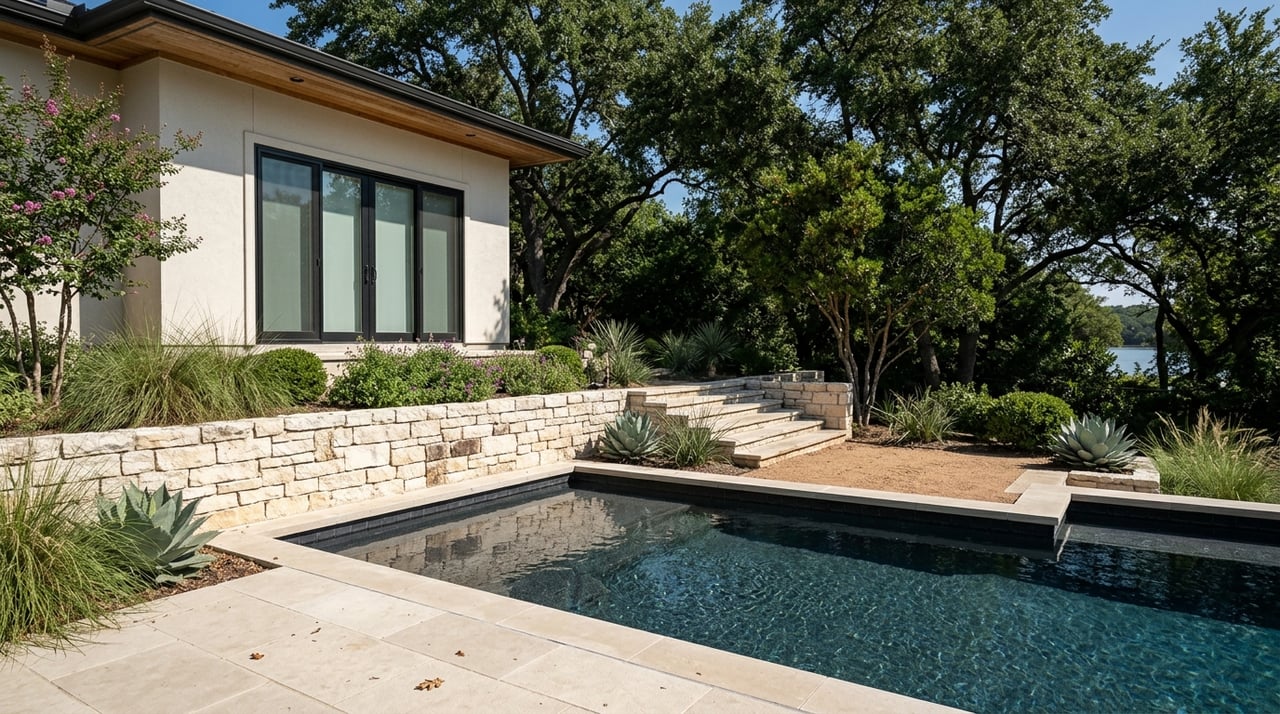
If you are drawn to Lakeway, you are probably not choosing between a generic house and another generic house. You are choosing between two very different ways to live: right on Lake Travis or up in the hills with a broader Hill Country setting. Both can be beautiful, but they come with different rhythms, responsibilities, and day-to-day experiences. This guide will help you weigh the real tradeoffs so you can focus on the setting that fits your lifestyle best. Let’s dive in.
Why Lakeway Makes This Choice Unique
Lakeway sits on the south shore of Lake Travis, about 25 miles west of downtown Austin, and its identity is closely tied to both water and terrain. The city describes the area through its marinas, parkland, trails, greenbelts, steep landscapes, creeks, and springs.
That mix matters when you start your home search. In Lakeway, waterfront living and hillside living are not small variations on the same theme. They are distinct property experiences shaped by shoreline access, elevation, slope, and the natural layout of the community.
What Waterfront Living Offers
For many buyers, waterfront living is the purest version of the Lake Travis lifestyle. You are closer to boating, swimming, and dock access, and the lake can become part of your daily routine instead of a destination you drive to.
That convenience is the biggest draw. If your ideal morning includes looking out at the water or stepping outside with the lake right there, a waterfront property can deliver a very different experience from an elevated lot farther inland.
Easier Access to the Lake
The most obvious benefit is direct connection. When you live on the shoreline, it is easier to build your free time around the water, whether that means launching into a boating day, enjoying the view from your property, or spending more time outdoors near the lake.
In a market like Lakeway, that direct access can be a major lifestyle advantage. It puts the shoreline at the center of how you use your home.
A More Lake-Centered Routine
Some homes give you access to an amenity. Waterfront homes often shape your routine. That is an important distinction if you are deciding between a property that simply has a view and one that lets you interact with the lake more directly.
If the water is the reason you are looking in Lakeway in the first place, waterfront living may align more naturally with your goals. It offers immediacy that hillside homes usually do not.
What Waterfront Living Requires
The tradeoff is that shoreline living comes with more regulation and more property-specific upkeep. In Lakeway, boat docks are not informal add-ons. The city requires permits to construct, reconstruct, replace, or install a dock.
Dock placement must respect property lines extended into the lake, adjacent owners’ access, and public safety. The code also requires docks to remain structurally sound, use encased flotation material, and include safety lighting when navigation may be affected.
Dock Rules Matter
If a private dock is part of your vision, it is important to understand that the process is regulated. Larger docks can also trigger added review. Docks larger than 1,499 square feet need additional Lower Colorado River Authority permits, and docks off the main channel are limited to 1,000 square feet.
That does not mean waterfront living is less appealing. It simply means your purchase decision should include the rules, maintenance expectations, and approval process that come with that access.
Lake Levels Can Change Your Experience
Lake Travis is not a fixed-edge lake. The Lower Colorado River Authority says the lake is full for water-supply purposes at 681 feet msl, and it is designed to hold floodwaters. During the research period for this article, the posted lake level was 664.20 feet msl on May 8, 2026.
That variation matters in real life. Lakeway’s planning materials note that City Park does not support lake use continuously because lake levels vary, and public boat ramps on Lake Travis may close during low-water periods if minimum levels are not met.
For a waterfront homeowner, the lake is still a powerful lifestyle feature, but your access experience may shift with conditions. That is one of the most important practical differences between shoreline property and a hillside home.
What Hillside Living Offers
Hillside living speaks to a different version of Lakeway. Instead of putting the shoreline first, it puts elevation, outlook, terrain, and the broader Hill Country environment at the center of the experience.
Lakeway’s own environmental materials highlight the area’s steep landscapes and greenbelts. The Canyonlands trail network is described as the city’s most extensive trail system, with canyon overlooks, lake views, and steeper inclines. That helps explain why elevated homes often appeal to buyers who want scenery and topography as much as direct water access.
Views and a Hill Country Setting
If your priority is a more elevated setting, hillside homes may be the better match. These properties often align with buyers who want to enjoy lake views, canyon outlooks, and the visual character of the terrain without making the shoreline the center of the property.
That can create a different kind of daily enjoyment. You may still be connected to Lake Travis, but through the setting and the view rather than direct shoreline use.
A Different Sense of Separation
In many cases, the terrain itself creates more natural separation between homes. Steep topography, greenbelts, and natural buffers can shape a quieter feel than you may find on more exposed shoreline lots.
Lakeway’s zoning also includes greenbelt land meant to preserve natural or undisturbed areas and drainageways next to neighborhoods. The city code also limits fences that would unreasonably obscure a neighboring dwelling’s view, which reinforces how important terrain and outlook are in this market.
What Hillside Living Requires
Hillside homes usually involve fewer dock-related concerns and less dependence on lake level for daily enjoyment. But the tradeoff is slope management.
That can affect how you move through the property, how outdoor space is designed, and what maintenance looks like over time. For some buyers, that is a worthwhile exchange. For others, it may feel like more complexity than they want.
More Grade Changes
On a hillside lot, the layout may include more steps, steeper driveways, elevated walkways, or retaining walls. Lakeway code requires safety railings for elevated walkways, driveways, retaining walls, and similar areas above certain heights.
The code also requires extra railing support where slopes exceed 15 percent. In practical terms, that means the land itself can shape both design decisions and upkeep needs.
Drainage and Erosion Need Attention
Sloped land needs careful runoff management. Lakeway emphasizes drainage and erosion controls, including level spreaders and other stormwater measures, because water moving downhill toward creeks and the lake must be managed responsibly.
For you as a buyer, that means hillside living is often less about shoreline regulation and more about understanding the land. The home may feel removed from lake-level fluctuations, but the lot still needs thoughtful long-term care.
Waterfront vs. Hillside at a Glance
Here is a simple way to compare the two lifestyles in Lakeway:
| Feature | Waterfront Living | Hillside Living |
|---|---|---|
| Main appeal | Direct lake access and lake-centered routine | Views, elevation, and Hill Country setting |
| Daily experience | Boating, swimming, dock access close at hand | Outlook, trails, and elevated surroundings |
| Key tradeoff | Dock rules, shoreline upkeep, lake-level changes | Slope maintenance, drainage, grade changes |
| Best fit for | Buyers who want the lake at the doorstep | Buyers who want the setting first |
How to Decide What Fits You
The best choice usually comes down to how you want to live on a normal Tuesday, not just on a holiday weekend. Waterfront living tends to work best if direct water access is central to your routine. Hillside living tends to work best if your priority is the view, the terrain, and a more elevated setting.
Lakeway’s public amenities reflect both paths. City Park offers direct waterfront recreation and nearly two miles of trails, while the Canyonlands offers overlooks, hiking, and biking in a higher, more rugged environment.
Ask These Questions First
Before you choose one property type over the other, ask yourself:
- How important is direct water access to your daily life?
- Are you comfortable with dock rules and changing lake levels?
- How much slope-related maintenance are you willing to take on?
- Do you want your home life centered on the shoreline or on the view?
Those questions can quickly clarify which side of Lakeway living feels more natural to you.
The Right Choice Is Personal
There is no single better option in Lakeway. Waterfront and hillside homes can both be exceptional, but they ask you to prioritize different things. One puts access and immediacy first. The other puts elevation, outlook, and separation first.
When you are buying in a market as terrain-driven as Lakeway, the smartest decision is usually the one that matches your habits, not just your wish list. If you want a disciplined, high-touch approach to evaluating Lakeway properties and narrowing in on the right fit, schedule a private consultation with Scott Pate.
FAQs
Is waterfront living in Lakeway better for boating?
- If boating is a big part of your lifestyle, waterfront living usually offers the most direct convenience because you are closer to the shoreline and potential dock access.
Do Lakeway waterfront homes have extra dock rules?
- Yes. Lakeway requires permits for dock construction, reconstruction, replacement, or installation, and the city regulates placement, safety, flotation material, and some size limits.
Do Lake Travis water levels affect waterfront living in Lakeway?
- Yes. Lake Travis water levels can change, and those changes can affect shoreline use, public boat ramps, and how consistently certain lake access points function.
Is hillside living in Lakeway better for views?
- Hillside homes often better match buyers who want elevated settings, canyon outlooks, and lake views shaped by Lakeway’s steep terrain and greenbelts.
What maintenance comes with a Lakeway hillside home?
- Hillside properties often require more attention to slopes, railings, retaining walls, drainage, and erosion control than non-sloped lots.
How do I choose between waterfront and hillside living in Lakeway?
- Start by deciding whether your priority is direct lake access or a more elevated Hill Country setting, then weigh the upkeep and regulations that come with each option.