What makes a Tarrytown home unmistakable the moment you pull up to the curb? It might be a steep Tudor gable peeking through live oaks, a classic front porch on a Craftsman cottage, a low-slung mid‑century ranch, or a sleek new build with walls of glass. If you’re buying or stewarding a property in 78703, understanding these styles helps you plan lifestyle fit, maintenance, and long‑term value. In this guide, you’ll learn how each architectural era in Tarrytown looks and lives, what it typically costs to update, and the site checks to run before you renovate or rebuild. Let’s dive in.
Why Tarrytown’s architecture matters
Tarrytown sits just west of downtown Austin with winding streets, mature oaks, and a network of parks that frame everyday life. The neighborhood was platted and built in phases from the 1920s through the 1960s, which is why you see an authentic mix of period revivals, bungalows, mid‑century ranches, and, in recent decades, high‑end custom construction. That layering shapes lot sizes, setbacks, renovation choices, and resale appeal. You can trace much of this evolution in community profiles that detail how the area grew and redeveloped over time. (Austin Title’s neighborhood overview)
The styles you see most
Period revivals (1920s–1930s)
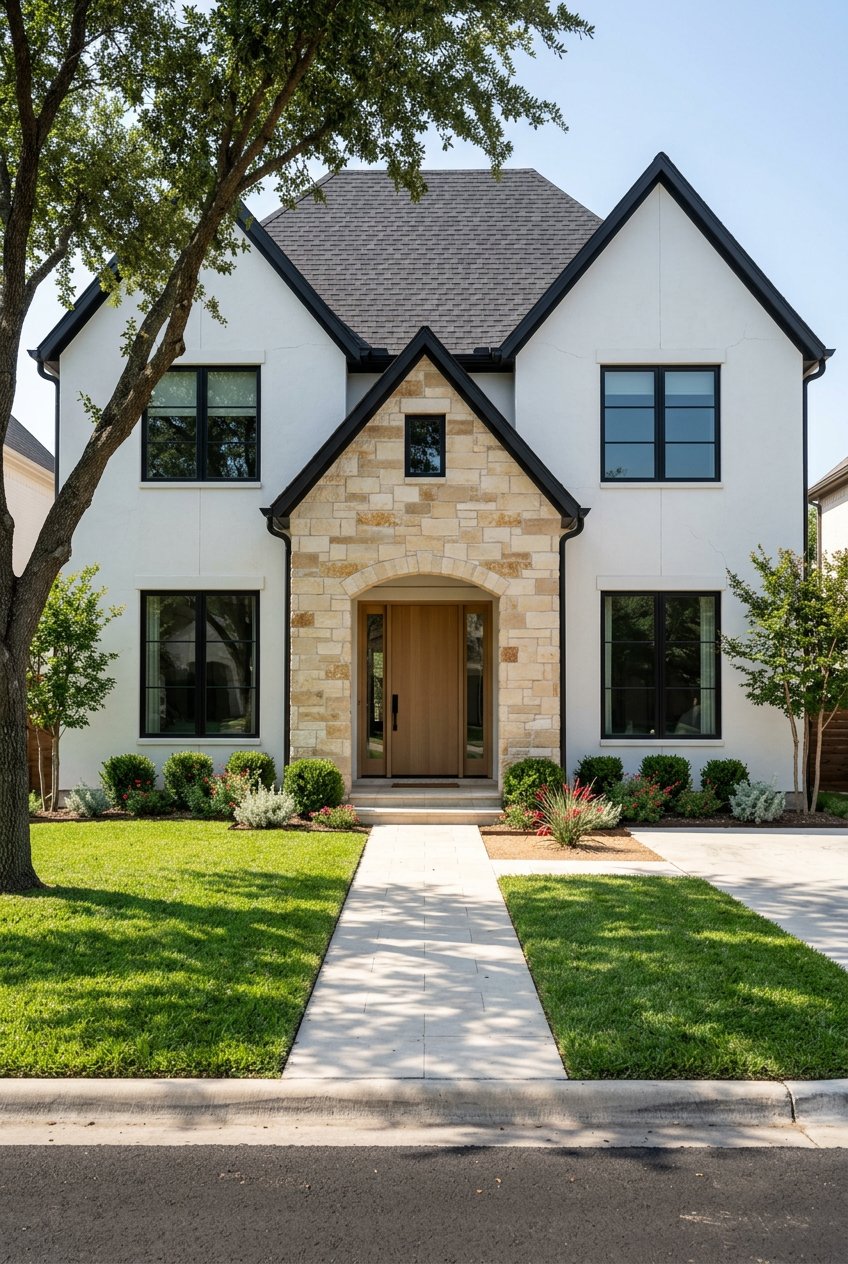
Tudor, Colonial Revival, and Spanish/Mediterranean. Expect steeply pitched gables and cross gables, half‑timbering or patterned masonry, arched entries, and prominent chimneys on Tudor‑influenced homes. Colonial Revival examples often show balanced facades and classical door surrounds. Spanish or Mediterranean homes lean on stucco, clay tile roofs, and arched loggias. These exterior cues align with national preservation descriptions of revival styles. (National Park Service style notes)
How it lives: Interiors typically start with a formal entry and defined rooms, with kitchens that were modest by today’s standards. Many have been sensitively opened up over time. Storage can be generous in attics or basements, though closets may be smaller than in newer construction.
Maintenance and updates: Original masonry, multi‑pane windows, plaster, and trim are prized and repay careful preservation, though specialty restoration can raise costs. Full modernizations are possible, and exterior work may require historic review if a property is designated. (Austin Title neighborhood overview)
Best fit: You value period detail, formal entertaining spaces, and mature streetscapes. A well‑preserved home paired with modern systems has strong market appeal in Tarrytown.
Craftsman and bungalow cottages (1920s–1940s)
What to look for: Low‑pitched gabled roofs with wide eaves and exposed rafter tails, broad porches with tapered columns on piers, wood‑sash windows, and built‑ins with substantial millwork. These are hallmark features documented in preservation surveys for bungalow districts. (Craftsman/bungalow characteristics)
How it lives: Footprints are cozy and human‑scale, with daily life often spilling onto the front porch. Owners frequently expand with an open kitchen or a second story where zoning allows.
Maintenance and updates: Wood elements and original windows are attractive but may need paint, rot repair, or reglazing. Many homes from this era have seen electrical and plumbing upgrades; if not, plan for them. Preservation‑friendly window repair can maintain character and support resale.
Best fit: You want neighborhood charm, walk‑up porch living, and a manageable lot in a central location with character.
Mid‑century ranch and post‑war modern (1940s–1960s)
What to look for: Single‑story massing, a horizontal profile, low‑pitched roofs, attached garages, and grouped windows or sliding doors that open to the yard. Plans often prioritize easy indoor‑outdoor flow and family‑centered circulation. (NPS postwar neighborhood guide)
How it lives: Many ranches offer semi‑open plans and straightforward systems that are easier to update. Their single‑level layouts appeal to anyone wanting fewer stairs and simple yard access.
Maintenance and updates: Original insulation and systems may be dated. Envelope upgrades, modern windows, and HVAC improvements can boost comfort and energy performance. Ceiling heights vary and natural light can be improved with thoughtful remodeling.
Best fit: You prefer single‑level living and want a renovation path that can deliver a modern open plan without a full teardown.
Contemporary, transitional, and custom new builds (2000s–present)
What to look for: Open plans, large expanses of glass, high ceilings, and seamless indoor‑outdoor living with covered patios, pools, and outdoor kitchens. Finishes tend to be high‑end with smart systems, EV readiness, and zoned HVAC. Redevelopment has brought many of these homes to Tarrytown. (Austin Title neighborhood overview)
How it lives: Flexible spaces, multiple living zones, and chef‑level kitchens are common. Newer systems reduce near‑term maintenance and can offer energy savings.
Maintenance and updates: Replacement costs for luxury finishes are higher, and specialized contractors are typical. For planning, local custom‑builder guidance points to a wide cost range in central Austin, with luxury projects often in the high hundreds per square foot, plus site work and soft costs. Verify with bids for your lot. (Austin custom build cost overview)
Best fit: You want turnkey luxury and modern systems and are comfortable investing in premium lot and build costs to capture top‑tier living and resale.
What drives value here
In Tarrytown, the lot often sets the stage. Proximity to the lake, lot size and grade, heritage trees, privacy, and park adjacency are major value drivers. Architecture and condition then determine how much of that lot value you realize when you sell. In a market that performs above the Austin median, high‑quality renovations or new custom builds can pencil when they align with top‑of‑market buyer demand. Treat lot evaluation as your first filter, then assess the home’s style, systems, and update path. (Neighborhood context: Austin Title profile)
Maintenance realities by era
Plan for these typical life cycles and risk points when budgeting:
- Roofs: Many asphalt‑shingle roofs last about 15 to 30 years depending on the product and climate. Premium materials like metal or tile last longer but cost more to install. (Asphalt roof lifespan basics)
- Mechanical systems: Central systems often have useful lives in the 10 to 20 year range. Older homes may need whole‑system upgrades when you modernize layouts and insulation.
- Electrical and plumbing: Pre‑mid‑century wiring and galvanized piping, if present, are commonly replaced during comprehensive renovations.
- Historic fabric: Original wood windows, plaster, and millwork are repairable and valued by buyers. Inappropriate replacements can reduce appeal. To prioritize, reference Cost vs. Value data for projects that tend to return more at resale. (2025 Cost vs. Value)
Renovate or rebuild: a Tarrytown checklist
Before you commit to a design path, run these checks:
- Lot constraints. Tree‑protection rules, impervious‑cover limits, and slope or soil issues shape your buildable area and costs. City documents and zoning files highlight these requirements. (City development and overlay references)
- Historic status. If a property is a designated landmark or within a local historic district, exterior changes and demolitions require review and must meet City standards. Plan extra lead time and documentation. (City of Austin Historic Preservation)
- Cost to build new. In central Austin, custom builds span a wide range depending on finishes and site complexity. Luxury work often runs in the high hundreds per square foot, plus site prep and soft costs. Get multiple local bids for your specific lot. (Local custom build cost context)
- Short‑term ROI for updates. If you aim to sell soon, prioritize projects that tend to recoup cost, such as minor kitchen updates and certain exterior improvements. Use national Cost vs. Value as a planning tool. (2025 Cost vs. Value)
Match style to how you live
Use these quick cues to align your shortlist with daily life:
- If you prize historic charm: A period revival or bungalow offers character and established streetscapes. Expect higher maintenance for original materials and confirm any historic review requirements before exterior changes. (Austin Title overview)
- If you want single‑level living and a clear renovation path: Mid‑century ranches often adapt well to open plans, energy upgrades, and aging‑in‑place features. (NPS postwar guide)
- If you want turnkey luxury with modern systems: Contemporary or custom new builds deliver flexible layouts and integrated tech. Plan for premium lot and build costs, and verify tree and impervious limits early. (Custom build cost context)
Site factors that change the plan
Tarrytown’s natural setting is part of its charm, but it comes with practical guardrails:
- Trees: Regulated and heritage trees can limit where you build and how much you can add. Early arborist input helps you preserve canopy and control costs. (City references on protections and overlays)
- Floodplain and watershed: Lake adjacency and creek corridors may trigger FEMA or local floodplain rules that set finished‑floor elevations and stormwater requirements. Run parcel‑level checks during pre‑due diligence. (Floodplain and lot evaluation overview)
- Zoning overlays: Neighborhood plan or scenic overlays can affect setbacks, impervious cover, and height. Confirm base zoning and any conditions before design work. (City references on protections and overlays)
How to move forward with confidence
- Walk the lot with a clear brief. What lifestyle priorities matter most: entertaining, single‑level living, yard privacy, or future expansion?
- Run the site checks early. Confirm tree protections, floodplain, and overlays before you sketch plans or price updates. (City historic preservation)
- Price more than finishes. If you are evaluating a rebuild, get multiple bids that include site work, permitting, and contingencies. (Custom build cost context)
- Prioritize high‑return upgrades if selling. Use a targeted scope guided by Cost vs. Value data. (2025 Cost vs. Value)
- Lean on concierge support. A disciplined, end‑to‑end process with vetted local providers streamlines due diligence, design choices, and execution.
Ready to explore the styles that fit your life and investment goals in Tarrytown? Schedule a private, data‑driven consultation with Scott Pate to walk lots, compare scenarios, and map your next steps.
FAQs
Which Tarrytown style is best for entertaining?
- Contemporary and custom new builds tend to offer the most flexible open plans and indoor‑outdoor flow, though a renovated period home with a modern kitchen and outdoor rooms can perform just as well for formal gatherings.
Which home style is easiest to maintain in Tarrytown?
- New construction usually has the lowest short‑term maintenance, and well‑updated mid‑century ranches also perform well; older revival homes often need more specialized care for original materials.
How much does a teardown and new luxury build typically cost?
- Costs vary by site and finish level, but central Austin luxury projects often land in the high hundreds per square foot, plus site work and soft costs; get multiple local builder bids. (Cost context)
How do regulated trees affect renovation or rebuild plans?
- Protected and heritage trees can reduce your buildable area and add mitigation costs; involve an arborist early and verify City requirements. (City references on protections and overlays)
What happens if the home is a historic landmark or in a district?
- Exterior changes and demolitions require review by the City’s Historic Preservation Office, and projects must meet design standards, which adds time and documentation. (City historic preservation)
Do floodplains impact Tarrytown lots near Lake Austin or creeks?
- Yes. FEMA and local floodplain rules can set finished‑floor elevations and stormwater requirements; always run parcel‑level checks in pre‑due diligence. (Floodplain overview)